
Talent Transformation

Course Descriptions

Practical courses that build self-awareness, confidence, and skills for work, learning, and life!

These practical courses help individuals turn self-awareness into confident action. Through research-based learning, reflection, assessments, and AI-powered coaching, participants strengthen the durable skills needed to communicate, collaborate, adapt, solve problems, and succeed.

Each course connects personal growth with real-world application, helping people prepare for opportunities, perform effectively, build stronger relationships, and thrive in work, learning, and life.

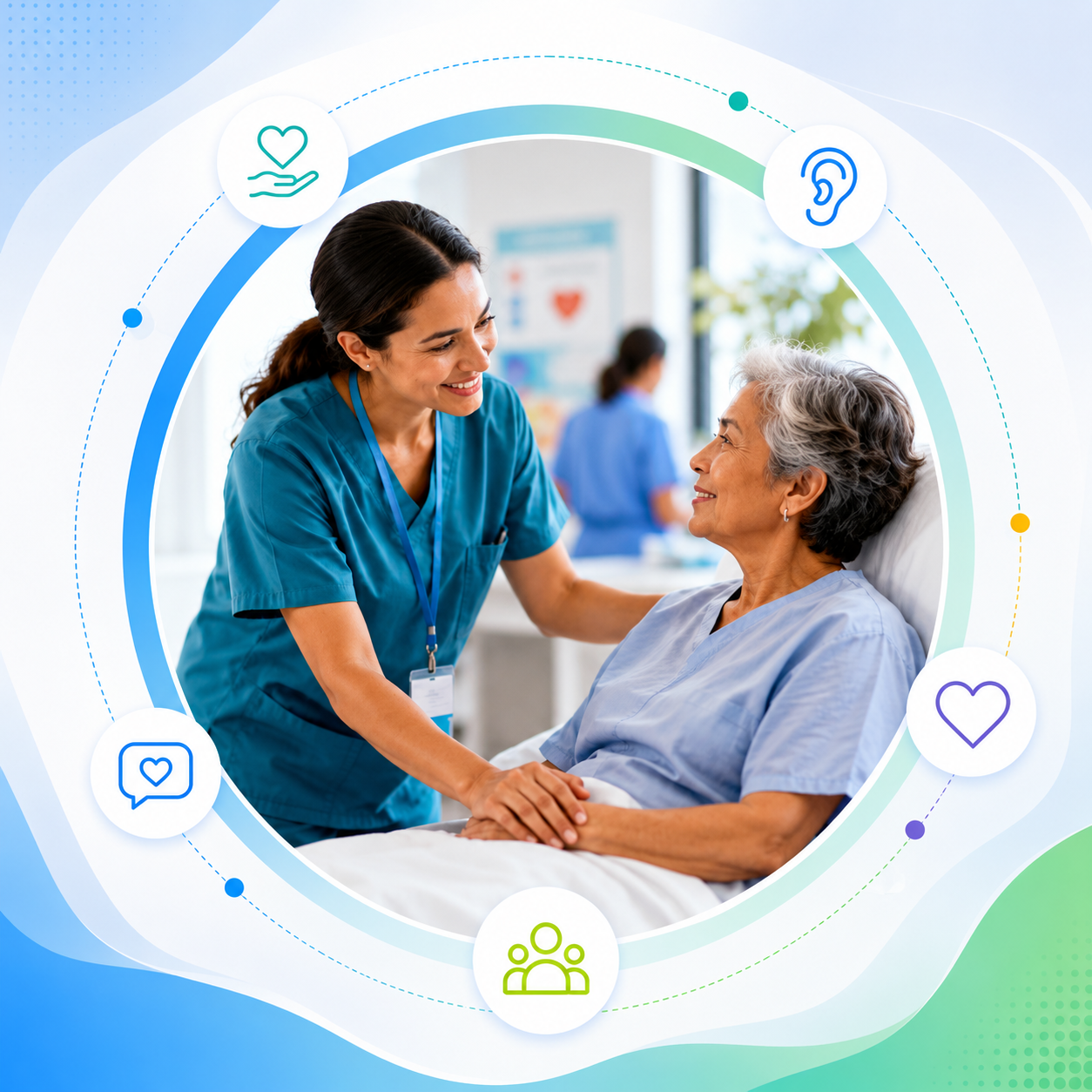
Compassionate Care & Patient Engagement

About 27 minutes

Purpose

To develop empathetic, respectful, and patient-centered communication in healthcare environments.

Benefit

Improves active listening, emotional awareness, cultural responsiveness, bedside presence, patient trust, and compassionate care.

Who This Course Is For

Healthcare workers and trainees who interact with patients, families, caregivers, or healthcare teams.
See More

This course helps you develop compassionate communication and patient engagement skills for healthcare environments. You will learn how to communicate with empathy, respect cultural differences, support emotional safety, and maintain professionalism during patient interactions. You will also explore active listening, bedside presence, emotional regulation, and compassionate care during stressful situations.

These skills help improve patient trust, emotional comfort, communication quality, and patient-centered care experiences. Throughout this course, you will reflect on how your communication and emotional awareness affect patients, families, and healthcare teams. You will also learn practical strategies to strengthen professionalism, empathy, and respectful patient engagement.

Practice with your AI Coach to help you strengthen empathy, communicate with compassion, and build trust in patient interactions.

View Course

Crisis Readiness and Response for Healthcare Workers

About 44 minutes

Purpose

To help you develop the skills and confidence to prepare for, respond to, and recover from healthcare crises while protecting patient safety and supporting your team.

Benefit

Builds your crisis preparedness, situational awareness, decision-making, emergency communication, teamwork, adaptability, emotional regulation, and ability to maintain safe and effective care during emergencies.

Who This Course Is For

Healthcare workers, support staff, trainees, and other healthcare professionals who want to strengthen their readiness and ability to respond effectively during emergencies and crisis situations.

See More

This course helps you develop practical skills for preparing for, responding to, and recovering

from healthcare crises. You will learn how to recognize early warning signs, understand

emergency procedures, prioritize urgent needs, make responsible decisions, and communicate

clearly when conditions change rapidly.

You will explore how to maintain patient safety and continuity of care, follow infection-control

procedures, coordinate with coworkers, and adapt to staffing and resource shortages. You will

also learn how to manage stress, remain professional during difficult situations, and speak up

when safety concerns arise.

The course covers essential documentation, incident reporting, and compliance with emergency

procedures. You will also learn how to participate in post-crisis reviews, apply lessons learned,

and support your own recovery and that of your team.

Use your AI Coach throughout the course to reflect on emergency situations, practice

communication and decision-making, and strengthen your confidence in responding to

healthcare crises.

This course supports foundational crisis readiness and response. It does not replace employer-

specific emergency training, clinical judgment, professional scope requirements, or required

safety and regulatory training.

View Course

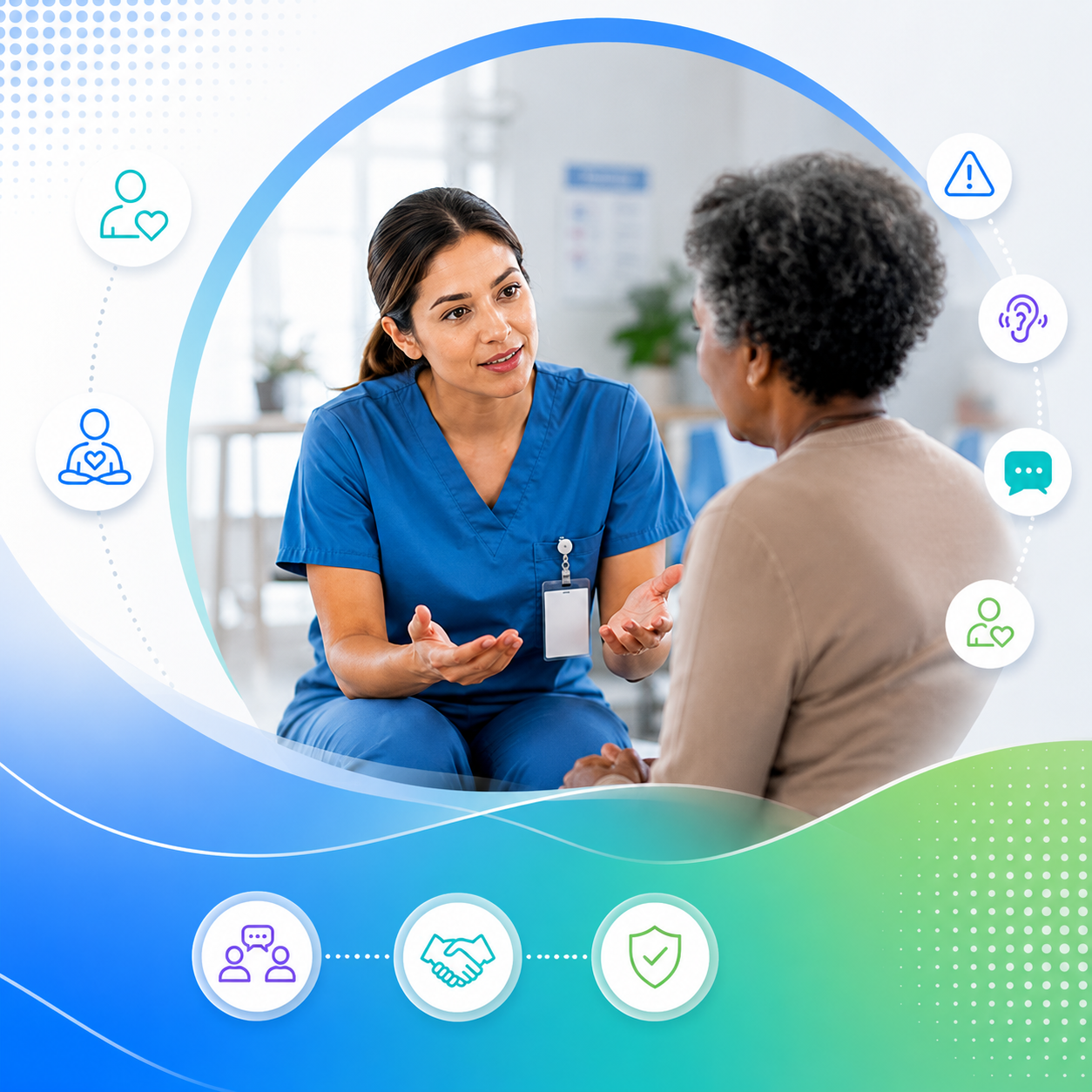
De-Escalation Techniques with Patients

About 37 minutes

Purpose

To develop safe and respectful approaches for calming tense or emotionally difficult patient interactions.

Benefit

Strengthens emotional regulation, active listening, calm communication, warning-sign recognition, conflict reduction, and patient-centered problem-solving.

Who This Course Is For

Healthcare workers and trainees who communicate directly with patients, family members, or members of the public.

See More

This course helps you build skills for calming tense patient interactions. You will learn how to manage your emotions, listen carefully, communicate calmly, and respond safely. You will also learn how to recognize warning signs, reduce conflict, solve problems with patients, and improve through reflection and feedback. Throughout the course, think about real patient situations.

Use your AI coach to practice responses, build confidence, and prepare for difficult conversations.

View Course

Emotional Intelligence for Counselors and Therapists

About 38 minutes

Purpose

To help you apply emotional intelligence to strengthen therapeutic presence, professional judgment, client relationships, and your effectiveness as a counselor or therapist.

Benefit

Builds your emotional awareness, self-management, empathy, communication, professional boundaries, client collaboration, and ability to remain effective during emotionally difficult situations.

Who This Course Is For

Counselors, therapists, and other helping professionals who want to strengthen their emotional intelligence and relational effectiveness when working with clients.

See More

This course helps you apply emotional intelligence within counseling and therapy relationships. You will learn how to recognize your own emotional reactions, remain present during intense emotions, understand client emotional cues carefully, and communicate empathy while maintaining professional boundaries.

You will explore how to support client autonomy, navigate differences in power and perspective, manage difficult therapeutic moments, and recognize and repair strains in the therapeutic relationship. You will also learn how to examine the influence of your own emotions on professional judgment and use supervision and consultation effectively.

The course also addresses the emotional demands of client work. You will learn how to recognize accumulating emotional strain, maintain sustainable boundaries and supports, and strengthen specific emotional intelligence behaviors through reflection, practice, and feedback.

This course supports emotional self-management and relational effectiveness. It does not replace clinical competence, diagnosis, treatment methods, ethical decision-making, supervision, licensure requirements, or professional safety procedures.

View Course

Emotional Intelligence Foundations

About 38 minutes

Purpose

To help you understand emotions and choose thoughtful responses that support your decisions, communication, and relationships at work and in everyday life.

Benefit

Builds your emotional awareness, self-regulation, empathy, and communication skills so you can check assumptions, respond thoughtfully to feedback, manage conflict, and take practical steps to repair trust.

Who This Course Is For

Students, job seekers, employees, and team leaders who want to recognize emotions, manage reactions, and communicate more effectively in learning, work, and personal relationships.

See More

Emotional Intelligence Foundations helps you recognize what you feel and choose how to respond. You will explore how emotions shape your attention, assumptions, and behavior, then learn to weigh emotional information alongside evidence, goals, and responsibilities.

You will learn to name emotions, notice triggers, pause before reacting, and manage strong responses. The course also covers taking responsibility after a difficult reaction and planning how to respond differently next time.

You will explore how to interpret emotional cues with care, ask respectful questions, and listen to other perspectives. You will also practice expressing feelings clearly, adapting tone and timing, receiving feedback, and navigating difficult conversations. Empathy, appropriate boundaries, de-escalation, and consistent follow-through support your work on relationships and trust.

To continue your growth, you will choose a specific skill to strengthen and track changes through real situations and feedback. Use your AI Coach to reflect on experiences, rehearse difficult conversations, and practice responses you can adapt to everyday life.

View Course

Foundations of Workplace Success in Healthcare

About 31 minutes

Purpose

To develop the dependable workplace behaviors healthcare employers expect.

Benefit

Strengthens attendance, punctuality, accountability, organization, communication, adaptability, teamwork, and professional confidence.

Who This Course Is For

Students, trainees, new employees, and job seekers preparing for clinical or non-clinical healthcare roles.

See More

This course helps you build the foundational workplace skills needed to succeed in healthcare environments. You will learn how to demonstrate reliability, maintain professionalism, manage responsibilities, communicate effectively, and adapt to changing workplace situations. You will also explore how dependable workplace behavior supports patient care, teamwork, operational effectiveness, and professional growth in healthcare settings.

Through practical examples and reflection activities, you will better understand the behaviors healthcare employers expect in both clinical and non-clinical roles. You will learn how accountability, attendance, communication, organization, and adaptability contribute to workplace success and stronger professional relationships. Throughout the course, you'll also see prompts designed to encourage reflection and growth as you strengthen your workplace readiness and confidence.

Practice with your AI Coach to help you build reliability, strengthen workplace habits, and grow your confidence in healthcare settings.

View Course

Healthcare Career Readiness & Employability Skills

About 43 minutes

Purpose

To develop the professional and interpersonal competencies needed to secure and succeed in healthcare employment.

Benefit

Strengthens interview readiness, professionalism, teamwork, communication, adaptability, cultural awareness, problem-solving, ethics, and confidence.

Who This Course Is For

Students, trainees, job seekers, and career changers preparing for clinical or non-clinical healthcare careers.

See More

This course helps you build the essential skills needed to succeed in healthcare workplaces. You will learn how to prepare for interviews, communicate professionally, work effectively with others, and demonstrate reliability, professionalism, and ethical behavior in patient-centered environments. You will also strengthen important workplace skills such as teamwork, active listening, adaptability, digital communication, cultural awareness, problem-solving, and professional confidence.

These skills help healthcare employees support patients respectfully, handle workplace challenges effectively, and contribute positively to healthcare teams. Throughout the course, you will explore practical examples and workplace situations that reflect real healthcare environments. You will build the confidence, communication skills, and professional judgment needed to prepare for employment, succeed in healthcare roles, and continue growing throughout your career.

Practice with your AI Coach to help you strengthen your professional skills, prepare for healthcare employment, and navigate real workplace situations with confidence.

View Course

Healthcare Customer Service & Patient Experience Excellence

About 39 minutes

Purpose

To develop professional service skills that improve the healthcare experience for patients and families.

Benefit

Strengthens empathy, communication, emotional regulation, de-escalation, service recovery, teamwork, accountability, and patient trust.

Who This Course Is For

Front-desk staff, patient-service employees, healthcare support workers, trainees, and others who shape the patient experience.

See More

This course helps you develop professional healthcare customer service and patient experience skills. You will learn how to communicate professionally, support patients compassionately, manage stressful situations, and improve patient satisfaction. You will explore professional front desk interaction, empathy, communication clarity, emotional regulation, de-escalation, healthcare hospitality, teamwork, and service recovery. You will also learn how follow-up and accountability improve patient trust.

Throughout the course, you will practice skills that help patients feel respected, informed, supported, and valued. You will also strengthen the professionalism and communication skills healthcare employers value.

Your AI coach is always ready throughout the course to help you communicate with empathy, handle challenging situations, and create positive patient experiences.

View Course

Healthcare Interview Readiness

About 34 minutes

Purpose

To prepare participants to answer healthcare interview questions with confidence, professionalism, and care.

Benefit

Strengthens communication about experience, teamwork, ethics, patient safety, strengths, development needs, and motivation for healthcare work.

Who This Course Is For

Students, trainees, job seekers, and career changers preparing for clinical or non-clinical healthcare interviews.

See More

This course helps you prepare for healthcare interviews with confidence, professionalism, and care. You will learn how to answer common questions clearly and respectfully. You will practice explaining your background, strengths, growth areas, teamwork, ethics, patient safety awareness, and motivation for healthcare work.

Throughout the course, use your AI coach to practice answers, reflect on examples, and strengthen your communication before real interview situations.

View Course

HIPAA & Patient Privacy Basics

About 39 minutes

Purpose

To explain the fundamental responsibilities involved in protecting patient privacy and confidential health information.

Benefit

Builds awareness of HIPAA, confidentiality, safe technology use, careful communication, reporting responsibilities, and patient trust.

Who This Course Is For

Students, trainees, volunteers, and employees entering clinical or non-clinical healthcare environments.

See More

This course helps you understand how to protect patient privacy in healthcare settings. You will learn the basics of HIPAA, patient confidentiality, protected health information, and responsible workplace behavior. You will also learn how to communicate carefully, use technology safely, report privacy concerns, and support patient trust. These skills help protect patients, coworkers, and healthcare organizations. Throughout the course, you will reflect on real workplace situations.

Your AI coach is always ready throughout the course to help you apply HIPAA and patient privacy principles to real workplace situations.

View Course

Time Management for Healthcare Workers

About 30 minutes

Purpose

To develop practical time-management and prioritization skills for demanding healthcare environments.

Benefit

Improves planning, focus, documentation, workload communication, team coordination, patient safety, and reliability under pressure.

Who This Course Is For

Current and aspiring healthcare workers in clinical, administrative, patient-support, and operational roles.

See More

This course helps you build practical time management skills for healthcare settings. You will learn how to plan your work, set priorities, manage interruptions, complete documentation, and support team workflow. You will also learn how to stay focused during pressure, communicate workload needs, and improve your work habits over time. These skills support patient safety, teamwork, and reliable care. Throughout the course, you'll see prompts designed to spark reflection.

Ask your AI coach questions to help you prioritize tasks, manage pressure, and build reliable work habits in healthcare settings.

View Course