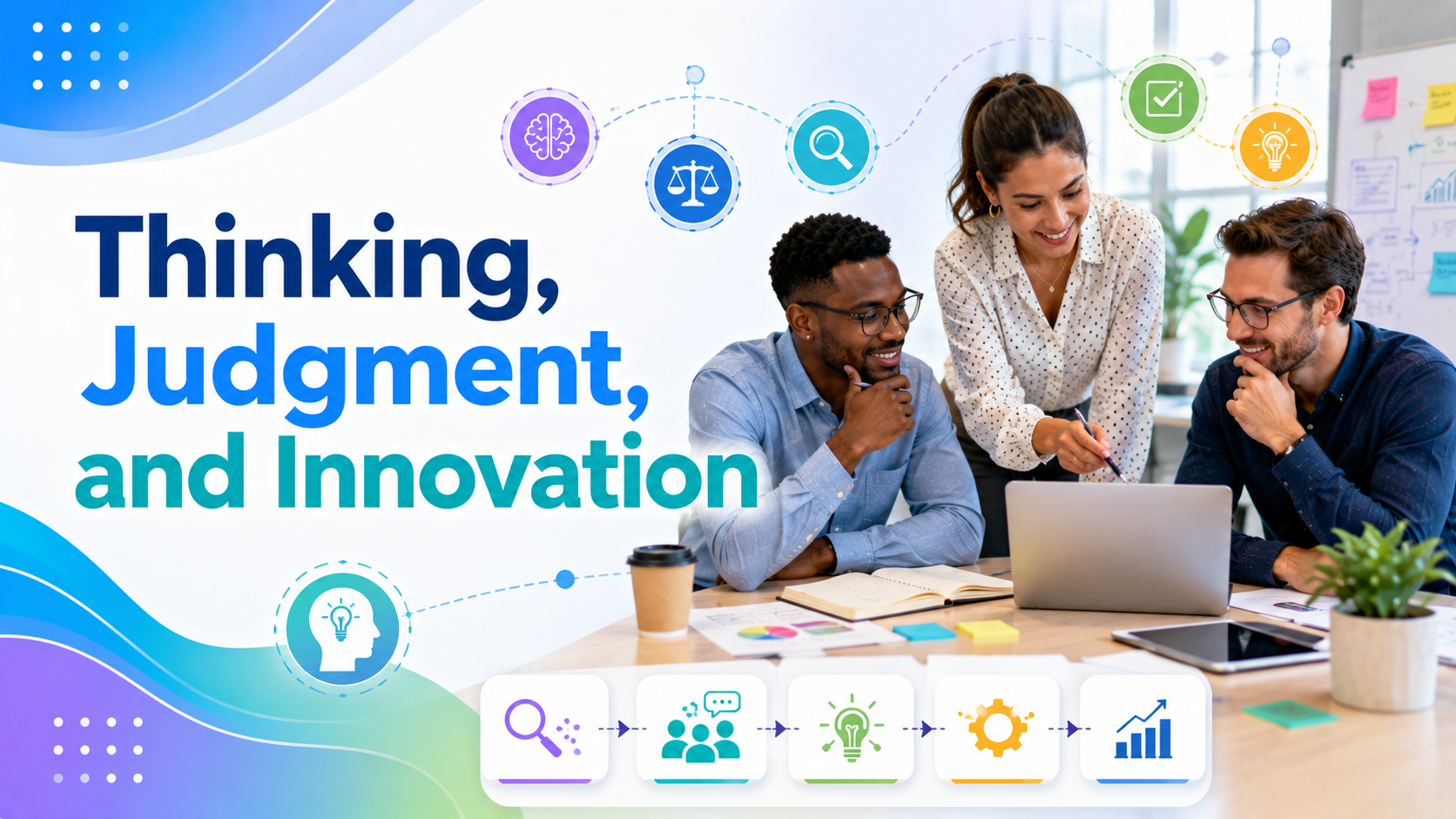
Thinking, Judgment, and Innovation
This course helps you recognize workplace problems, evaluate information, make responsible decisions, manage uncertainty, adapt to changing
Learning library
Build skills for work, life, and what comes next.
32 courses
This course helps you recognize workplace problems, evaluate information, make responsible decisions, manage uncertainty, adapt to changing
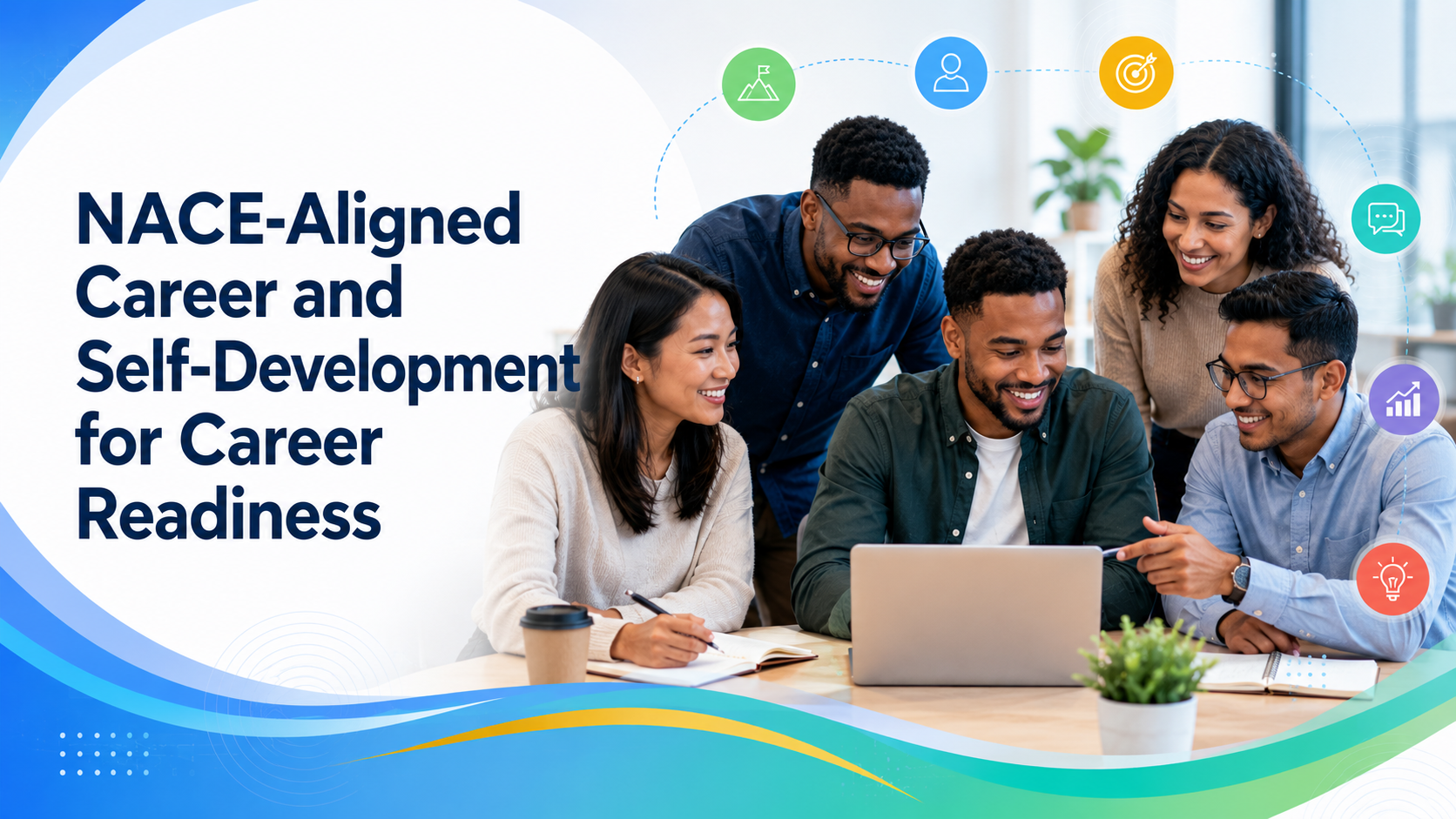
This course helps you take ownership of your career growth. You will learn how to understand your strengths, explore opportunities, set goals, seek
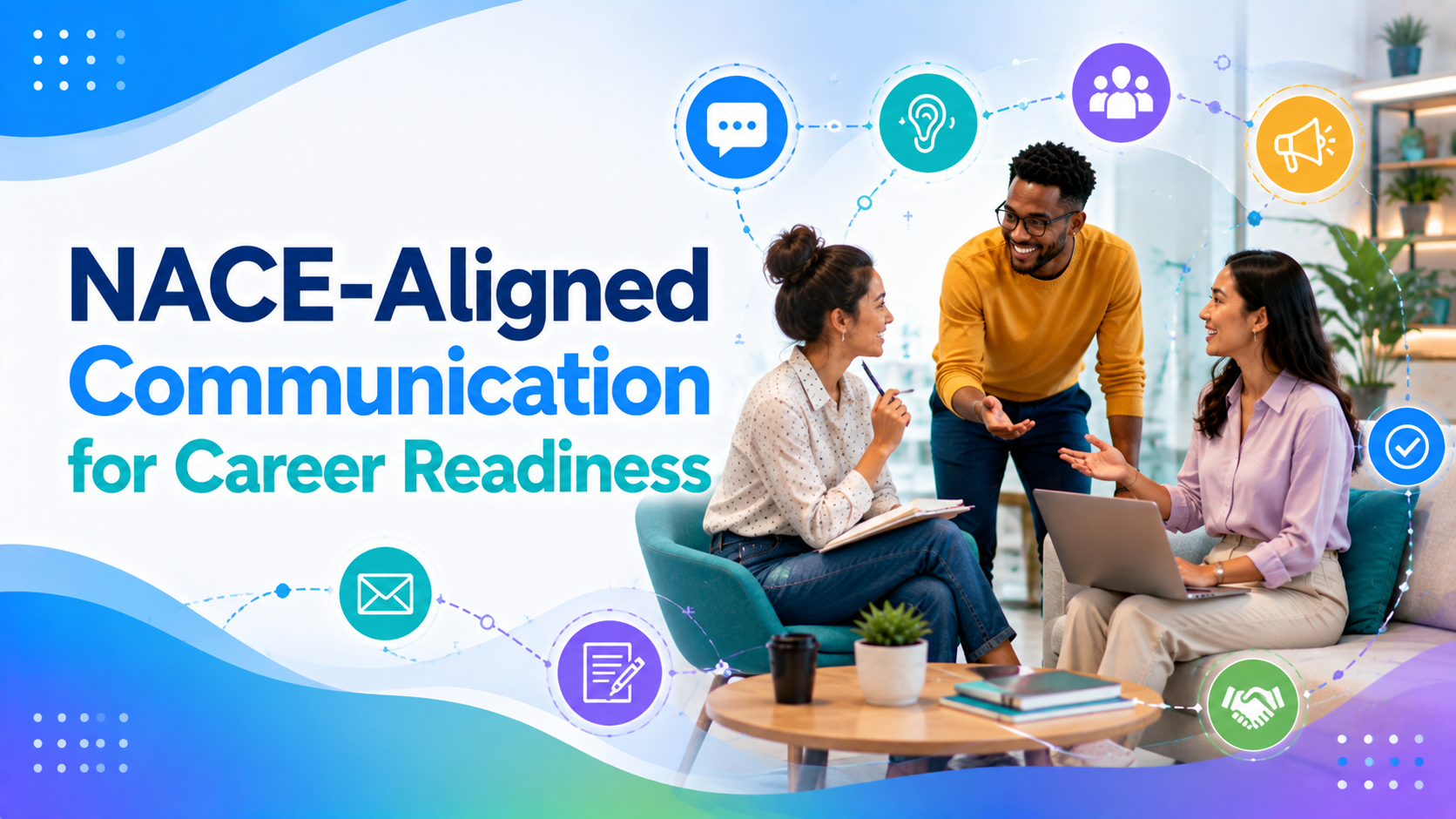
This course helps you build communication skills for work, school, interviews, and career growth. You will learn how to speak, listen, write, and
This course helps you build critical thinking skills for work and life. You will learn how to understand situations, gather information, check
This course helps you build technology skills for work, learning, and career growth. You will learn how to use digital tools, communicate online,

This course helps you explore career, learning, and personal pursuits in a meaningful way. You will learn how values, interests, strengths, and goals
This course helps you understand the difference between traits, skills, and behaviors. You will learn how each concept affects self-awareness,
This course helps you build human skills that matter in an AI-driven world. You will learn how to manage change, focus, emotions, relationships, and
This course helps you build initiative in school, work, and everyday life. You will learn how to act without waiting, notice opportunities, and keep
This course helps you connect who you are, what energizes you, what you do well, and how you can contribute. You will build practical habits for
This course helps you develop practical critical thinking skills for school, work, and everyday life. You will learn how to ask thoughtful questions,
This course helps you build professionalism for work and career success. You will learn how to be reliable, respectful, ethical, accountable, calm,
This course helps you build leadership skills for work, school, and community settings. You will learn how to take initiative, act with integrity,
This course helps you build equity and inclusion skills for work, school, service, and community settings. You will learn how to notice bias, respect
This course helps you build personal goal development skills for life, learning, and work. You will learn how to understand yourself, set meaningful
This course helps you build strong communication skills that you can use in everyday life, school, and the workplace. You will learn how communication
This course helps you build practical problem-solving skills for the workplace. You will learn how to recognize problems, gather information,
This course helps you turn workplace expectations into dependable action. You will learn how to plan, manage time, stay organized, maintain quality,
This course helps you understand career readiness and why it matters. You will learn how workplace success depends on more than education,
This course helps you collaborate effectively and act professionally in modern workplaces. You will learn how to understand team roles, coordinate
This course helps you develop professional presence skills that strengthen trust, confidence, communication, and leadership effectiveness in workplace
This course helps you build the skills you need to succeed in professional interviews. You will learn how to prepare for interviews, research
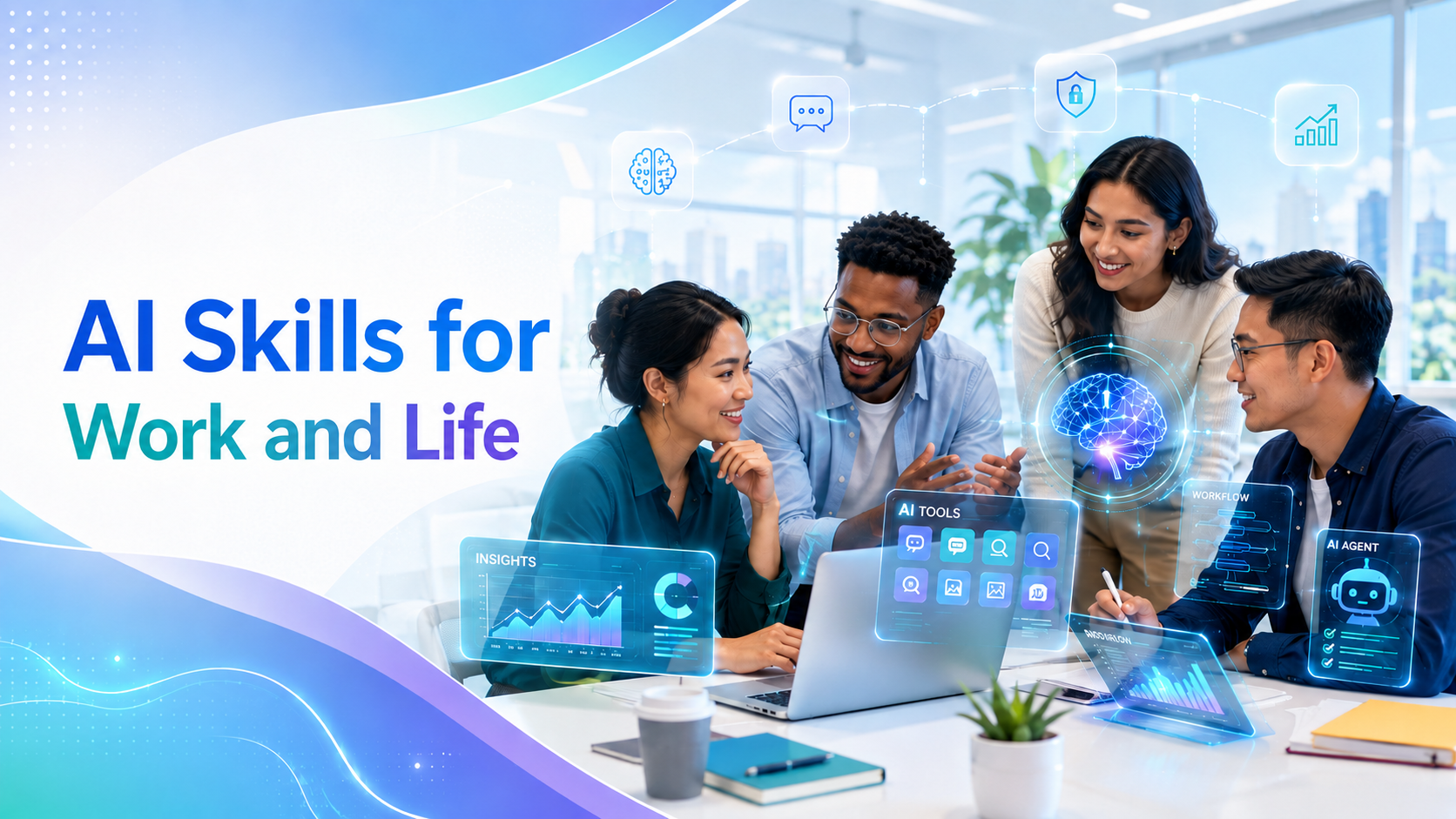
This course helps you understand how artificial intelligence works and how to use it effectively in work, learning, and daily life. You will learn to recognize AI, choose suitable tools, create clear prompts, and improve AI-generated results. You will also practice checking facts, evaluating evidence, recognizing bias, and protecting your independent judgment. The course explains when human approval, professional expertise, or a non-AI approach is necessary. Finally, you will learn how to apply AI to real tasks, supervise AI agents, monitor results, and adapt workflows as tools and conditions change. Talk with your AI coach to practice decisions and strengthen your skills.
This course helps you turn meaningful intentions into steady progress. You will learn how purpose, motivation, confidence, goals, relationships, resilience, reflection, and self-regulation work together.
This course helps you use emotional intelligence in professional workplaces. You will learn to recognize emotions, manage pressure, communicate clearly, and work effectively across different roles and relationships. You will practice handling feedback, authority, conflict, mistakes, uncertainty, and workplace change. You will also learn how to build trust, support psychological safety, and maintain professional boundaries. Throughout the course, you’ll see ideas you can discuss with your AI coach. Use these conversations to reflect, practice difficult situations, and strengthen emotionally intelligent workplace behavior.
This course helps you understand how messages, images, groups, and digital platforms can shape what you notice, feel, believe, choose, and do. You will learn to recognize repetition, emotional pressure, information overload, identity influence, and other techniques while separating persuasive methods from factual accuracy. You will also practice checking evidence, verifying important claims, updating beliefs, and sharing information responsibly. Use your AI coach to strengthen these habits in real situations.
This course helps you use emotional intelligence during the pressures of construction and skilled-trade work. You will learn to recognize emotions, manage reactions, communicate clearly, handle conflict, adapt, and build trust. You will explore practical situations involving safety concerns, fatigue, mistakes, rework, changing plans, customers, and crew differences. These skills can support safer decisions, stronger teamwork, quality work, and professionalism. Throughout the course, you’ll see ideas that can spark reflection. Talk with your AI coach to practice difficult conversations, understand your reactions, and strengthen how you respond at work.
This course helps you apply emotional intelligence within counseling and therapy relationships. You will learn to recognize your reactions, stay present, understand client emotion carefully, and communicate empathy with boundaries. You will also practice supporting client autonomy, managing difficult therapeutic moments, checking emotional influence on professional judgment, using supervision effectively, and sustaining your emotional effectiveness over time. This course supports emotional self-management and relational effectiveness. It does not replace clinical competence, diagnosis, treatment methods, ethical decision-making, licensure requirements, supervision, or professional safety procedures.
This course helps you build practical emotional intelligence skills for work, learning, relationships, and everyday life. You will learn to recognize emotions and respond more intentionally. You will practice using emotional information thoughtfully, managing strong responses, understanding other perspectives, communicating effectively, handling conflict, repairing trust, and continuing your emotional growth. Throughout the course, you’ll see ideas you can practice in real situations. Talk with your AI coach to reflect, rehearse difficult conversations, and strengthen your skills.
Remote work changes how you notice emotion, communicate, build trust, handle conflict, and protect boundaries. This course helps you use emotional intelligence effectively across distance and technology. You will learn to interpret limited digital cues carefully, manage your reactions, communicate emotional meaning clearly, maintain connection, and respond constructively to uncertainty and change. Throughout the course, you’ll see ideas you can practice in real remote situations. Talk with your AI coach to rehearse responses, explore patterns, and strengthen your judgment.
This course helps you manage limited time, competing priorities, commitments, attention, and changing demands. You will learn practical ways to decide what deserves your attention. You will practice clarifying expectations, planning work, protecting focus, and adjusting when circumstances change. These skills can help you become more reliable and reduce avoidable stress. Throughout the course, you’ll see ideas that can support reflection and practice. Talk with your AI coach to explore challenges, test choices, and strengthen your time-management habits.
Leadership development is a purposeful process. You strengthen how you lead by examining internal influences, choosing meaningful goals, practicing new behavior, and reviewing evidence. This course helps you assess your needs, create a practical plan, use feedback, and apply new behavior in real situations. It does not prescribe one leadership style. You will focus on actions within your influence while considering purpose, relationships, culture, authority, safety, urgency, and context. Progress requires responsibility, support, reflection, and adjustment.